Talk · Pecha Kucha
Keep your friends close, and AI closer
Misadventures in animation with generative AI.
This started as a Pecha Kucha talk: 20 slides, 20 seconds each, no going back. Here it is as a post, one section per slide, with the animations playing the way they did on screen.
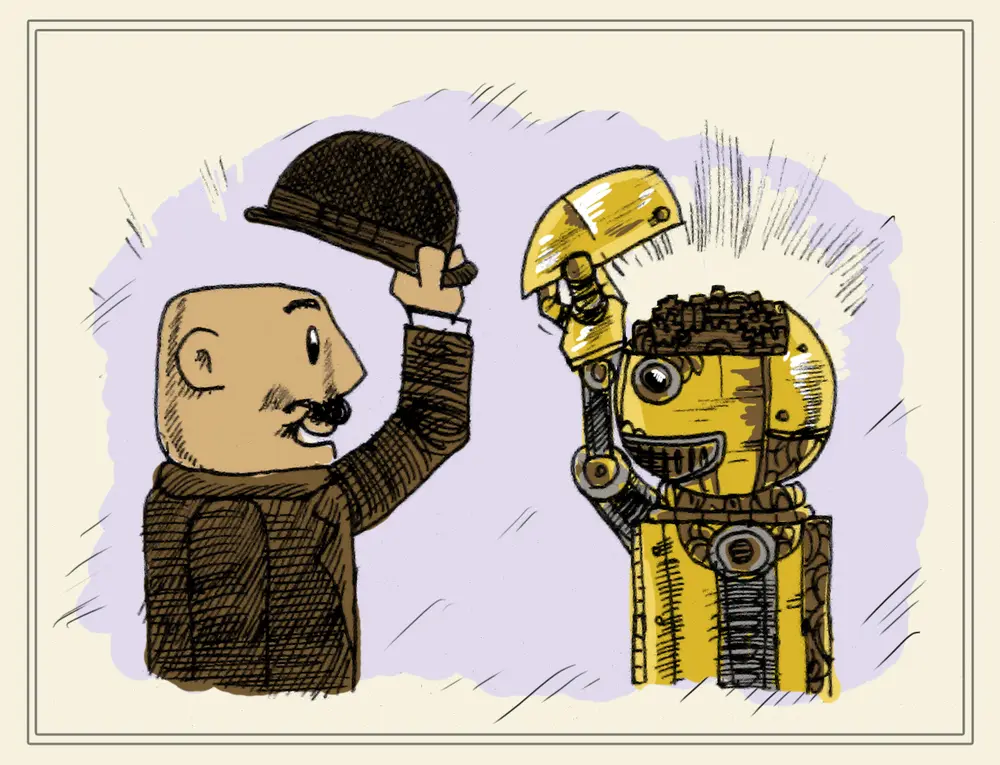
This is about making art with robots. I did a deep dive into open-weight generative AI video models because I wanted to cut through both the AI hype and the AI hate, and see whether I could actually make them part of my process for creating visual art and animation.
Learning animation, from silver to silicon
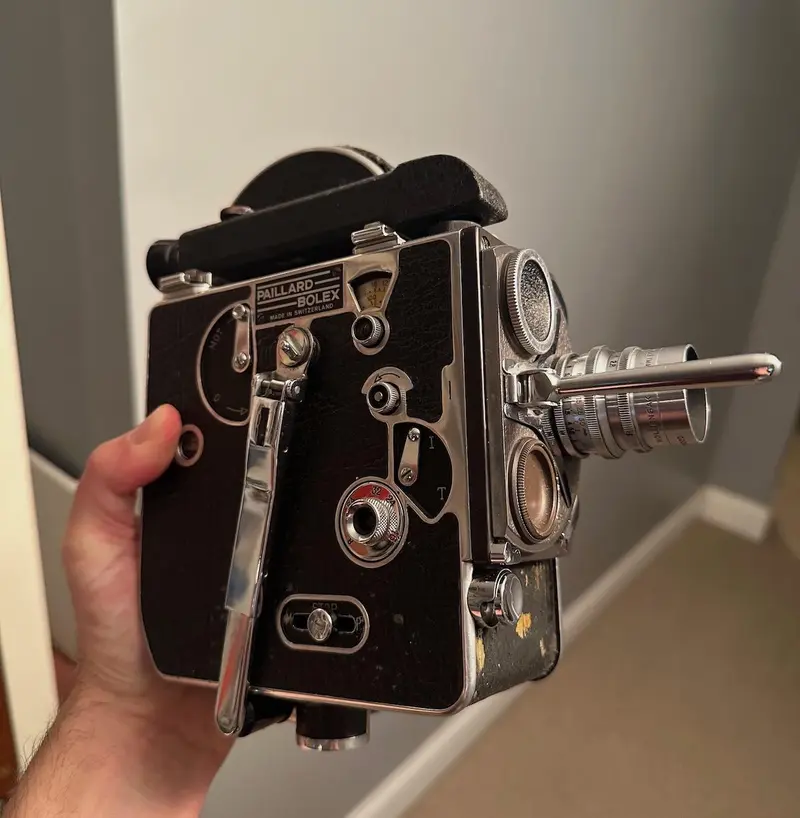
I've been making animations since I was a kid. When I was 13 I bought a used Bolex 16mm camera, the same one pictured here, to make stop-motion films. That was ancient technology even in the 90s, so I quickly embraced computers and animation software, and as the technology improved I kept expanding what I could do.
Embracing new tech, until…

Then generative AI dropped and the whole narrative changed. Here was a shiny new technology, and instead of embracing it, artists largely hated it, and not without good reason. I was highly skeptical of gen AI myself, and I shared their concerns about the ethics around it.
And yet…

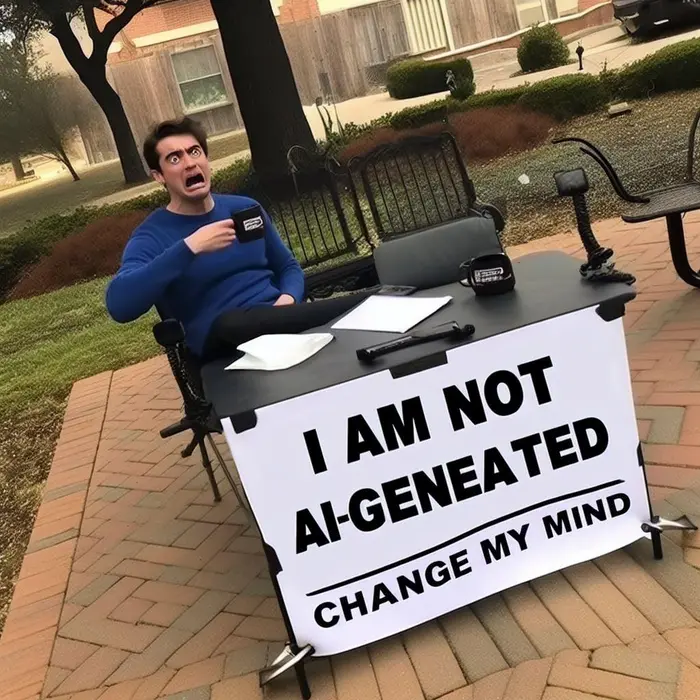
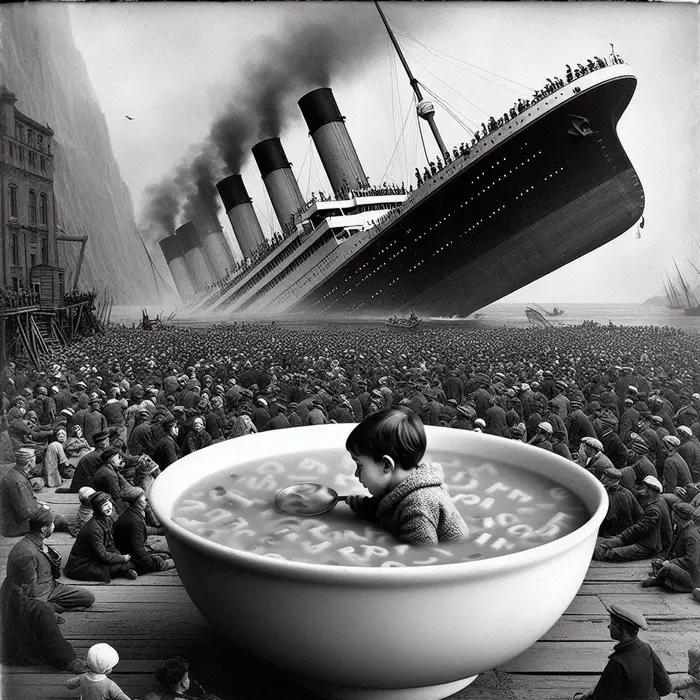

And yet it was amazingly good at producing bizarre nonsense, which I absolutely love. So I spent quite a bit of time with these generators, mostly as toys for my own amusement. Over time they got much better, more genuinely useful, and as a result much more boring.
Better models were boring, until maybe they weren't
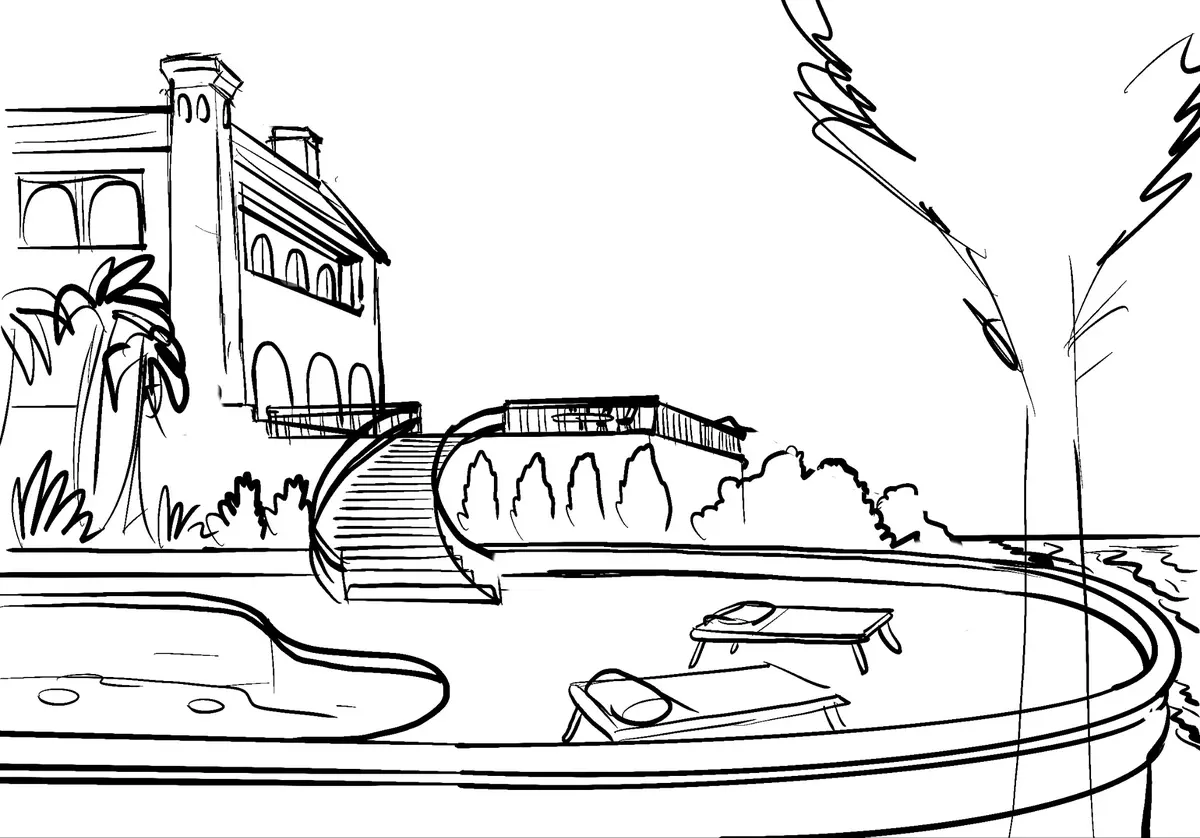

Make a photorealistic painting based on this sketch of a mediterranean style villa overlooking the sea. It is night, there is no moon, and the villa is lit up with a lot of underlighting including lights underwater in the pool
So I lost interest in the new models, until I tried something on a whim with Google's Nano Banana 2 when it came out in late 2025. It could take a sketch I'd made and create an image that was strikingly faithful to my original design. That was a click moment: maybe these things could enhance my own artistic output rather than replace it.
Going local with ComfyUI
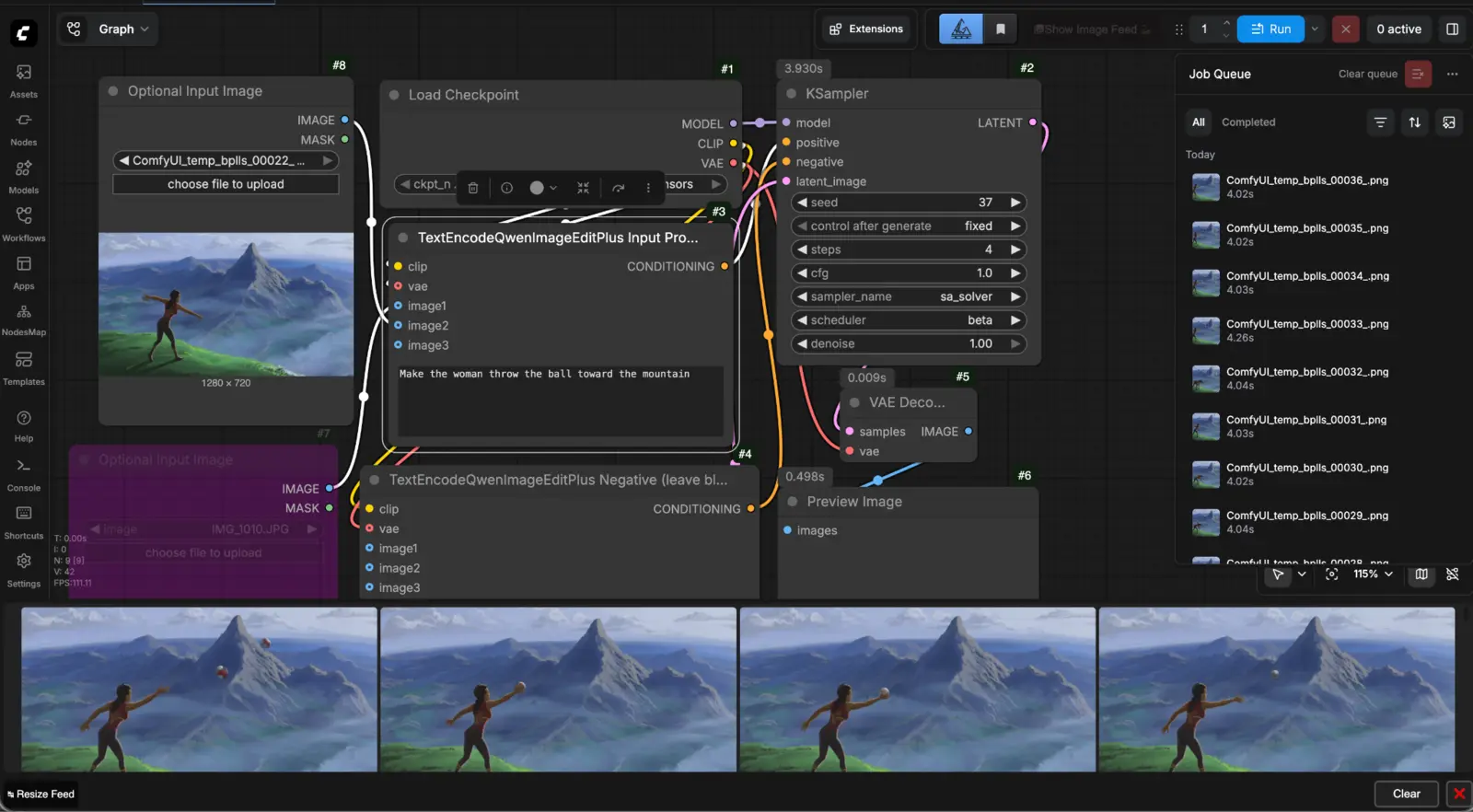
But I couldn't do that with a text prompt. I needed real tools. Shout out to my coworked Mak for introducing me to ComfyUI, an open-source platform with a suite of tools for making AI generations locally, with vastly more control over the output. It's buggy and kind of a UX nightmare, but it's a huge step forward.
"Local" is a strong word
It turns out I can't really run the good open-weight video models locally, even on my shiny new Mac. You need really beefy GPUs, which are now wildly expensive and hard to get. So I ended up renting GPU time on RunPod, a cloud provider that lets you create temporary private instances that you control.
The plan
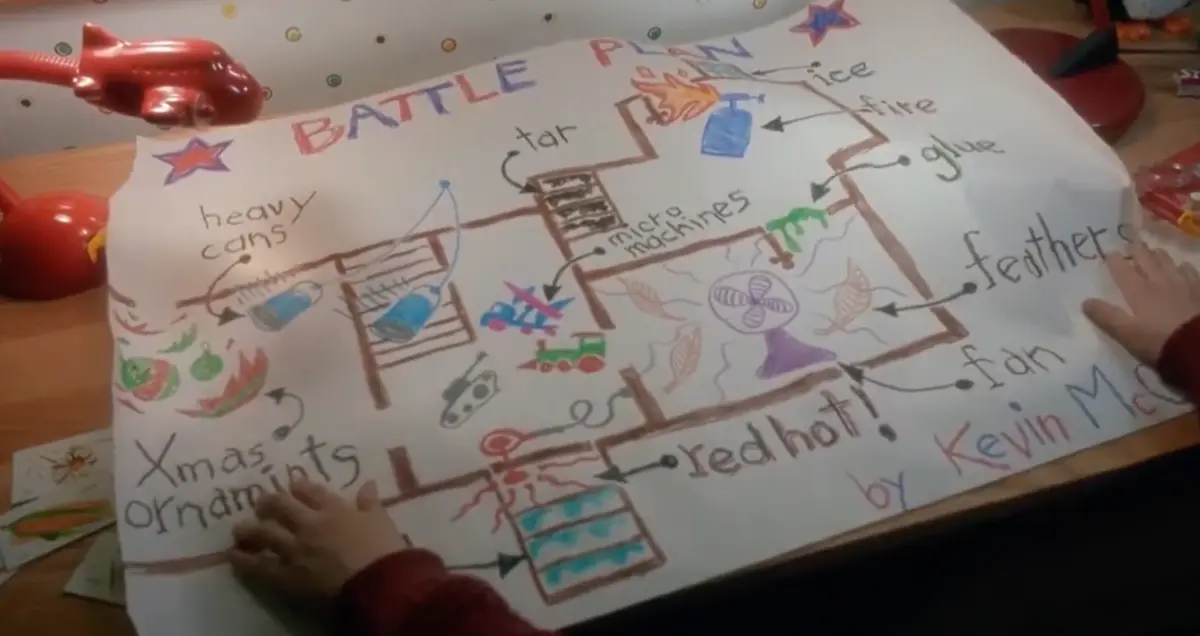
My plan was to take art I had painted myself and wanted to animate, and use generative video as part of that process. Not to replace all of the animation work but to complement it, and to do it faithfully enough to my vision that I'd feel secure calling the output my own creation.
Reversing roles
This was an interesting role shift for me. I used to deliberately push AI video generators toward weird and uncanny output, partly because it amused me, but also because I liked exposing their flaws so I could underline how important and relevant human craft is. I was rooting for it to fail.
Expectations meet reality
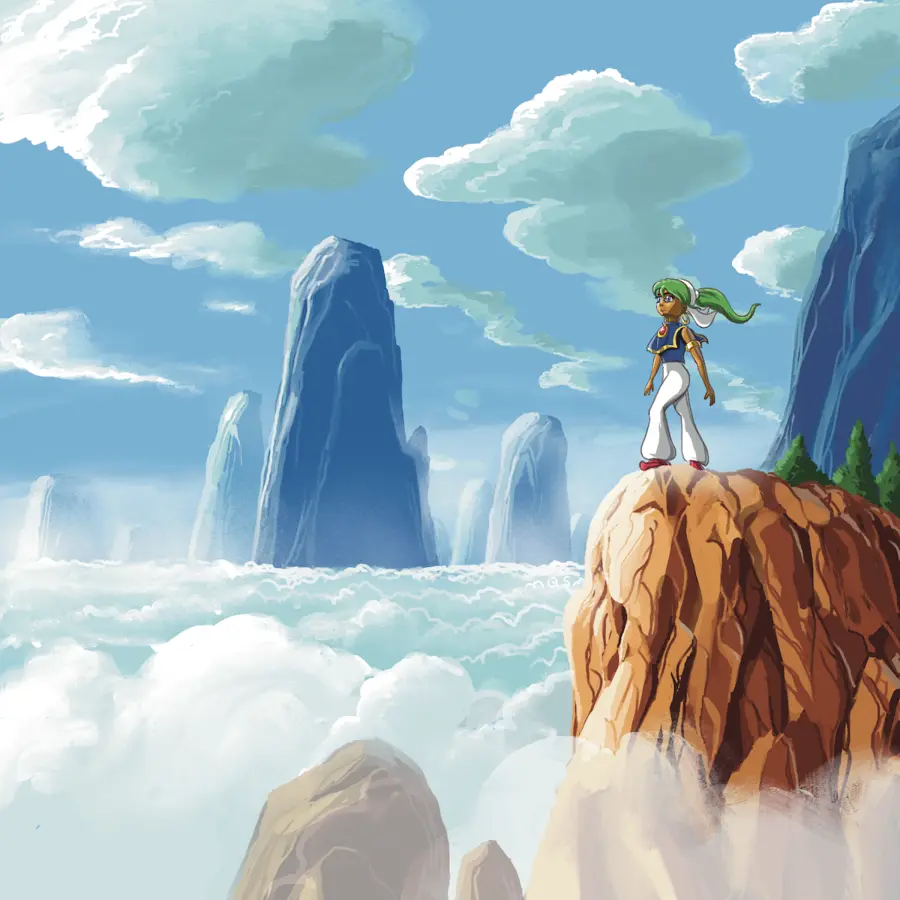
Now I actually wanted it to succeed, and suddenly all the nonsense output wasn't quite so funny anymore. It turns out these video models need a ton of fine-tuning just to get something intelligible out of them. Sora and Gemini hide that complexity from you, but now I was neck-deep in it.
The subtler challenges
Eventually I figured out how to get output that looked like real animation. But this was where the real hard part began: prompt adherence. Here's one example. The figure on the left with the glowing blue eye is supposed to stand stock still, and I could not get the video model to listen to me.
Trying to outsmart the model
I tried to outsmart the video model by removing the figure so I could add it back by hand later. But I still needed its reflection, because the ripples in the foreground would interact with it. And the model became convinced I wanted the reflection to rise out of the water like this, even though I never said that.
Maybe good enough is good enough
Here I finally got the figure to stand still. But look closely at the blue glow around its eye: the model assumed a single light over water must be a lighthouse, and animated it twirling around. My best results from these generations are like this, almost but not quite what I asked for.
Catnip for a creative nerd
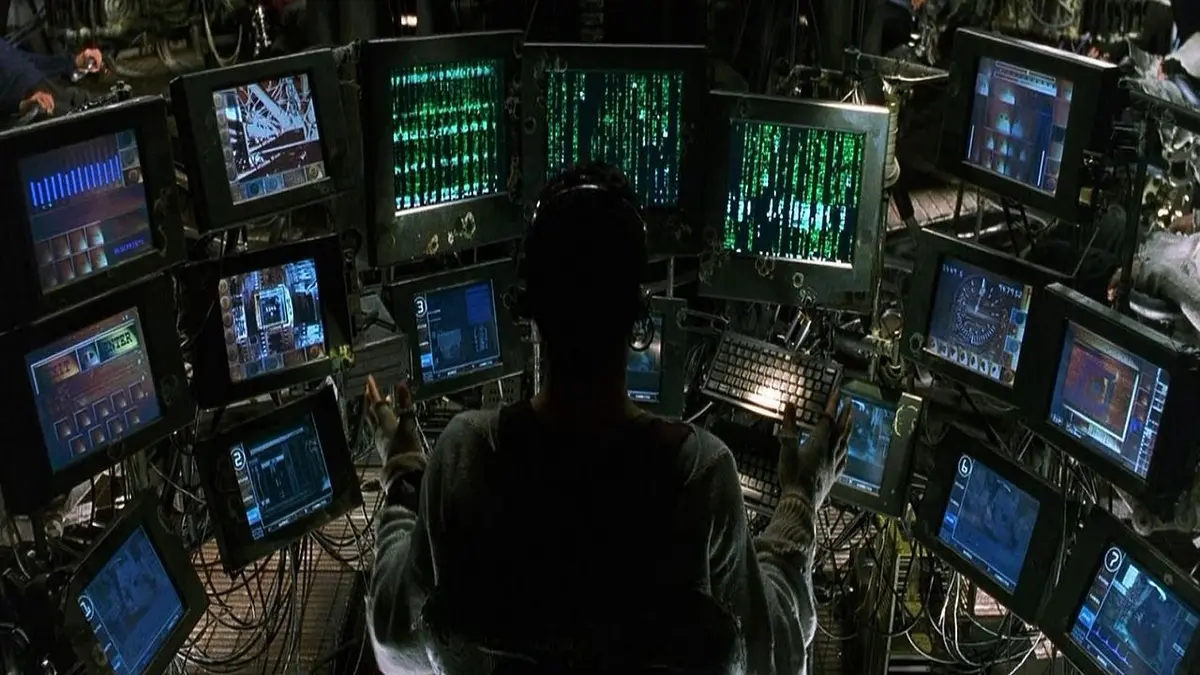
Using ComfyUI is addictive in a way. There are so many models and plugins, so many dials to turn, so many subtle ways to shift the output. If you like making creative work and you like technical fiddling, it can really draw you in.
Maybe I need actual catnip

But even with all those controls, it still feels like shooting a movie with a trained cat. The cat is capable of great onscreen work, and you do everything you can to set the cat up for success, but eventually you call "Action" and just have to hope the cat does what you want.
It's not all chaos
There are tools I'm still exploring that give you more control. You can specify hand-crafted keyframes, rotoscope characters over your own video footage, or even train your own mini-models, called LoRAs, on your own artwork or video reference. I'm writing up the keyframe workflow as I go in frame-to-frame animation with Wan 2.2.
Animation and gen AI are strange bedfellows
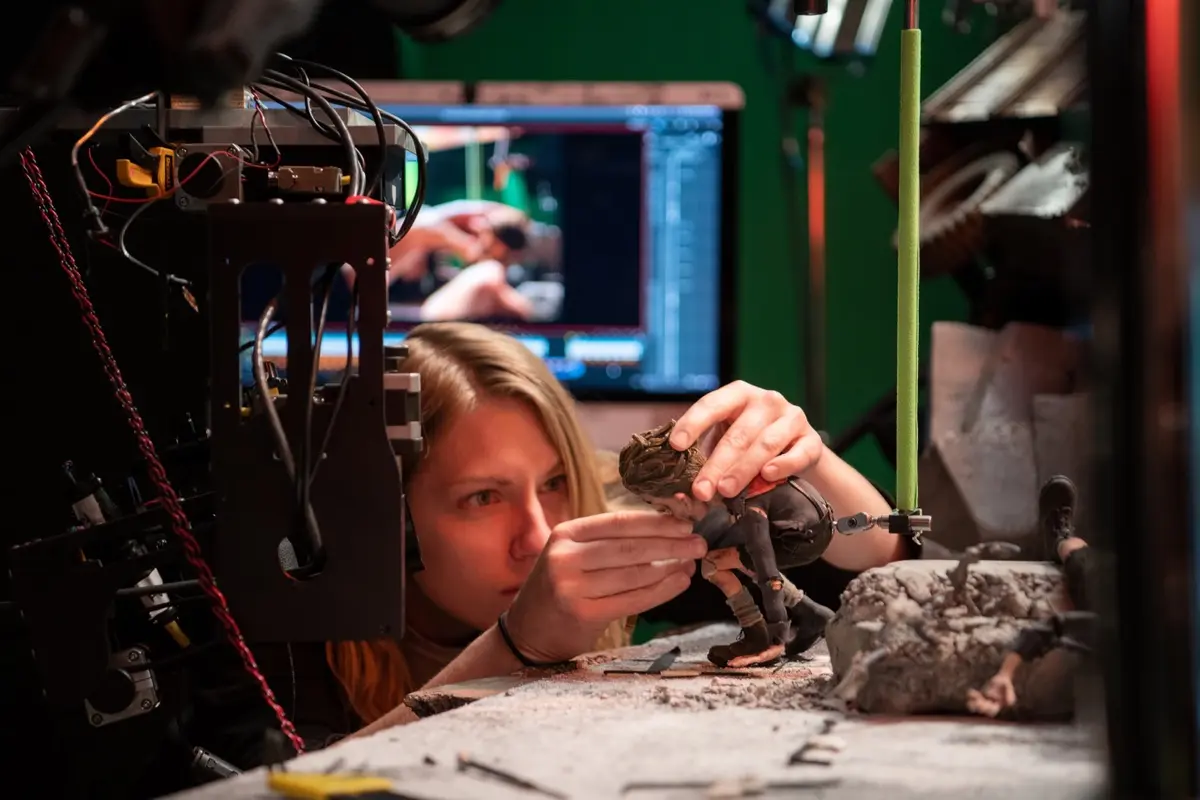
But I've come to realize that animation is just an odd fit for AI. AI's promise is to take away the tedium of your work, but animation kind of is the tedium. The goal isn't just to make cartoons, it's to carefully craft a movie one frame at a time, and being that deliberate and intentional is what makes animation special.
Gen AI can still have its uses
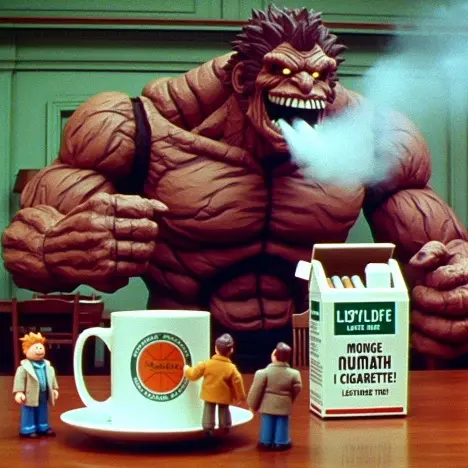
I think there are still reasonable uses for this tech in animation today. It could handle complicated background elements like crowds, or foliage blowing in the wind. It's good at bringing 2D art into three dimensions. There are plenty of little gaps for it to fill in a complicated animation pipeline.
The future is murky but intriguing
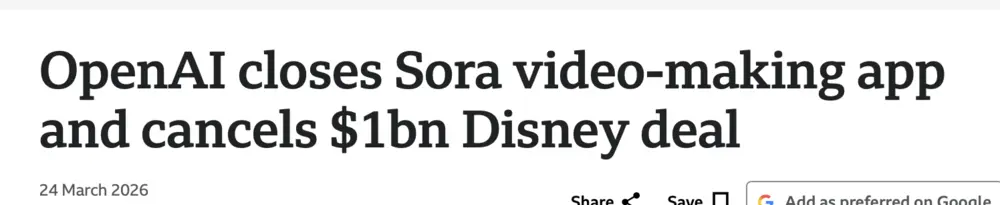
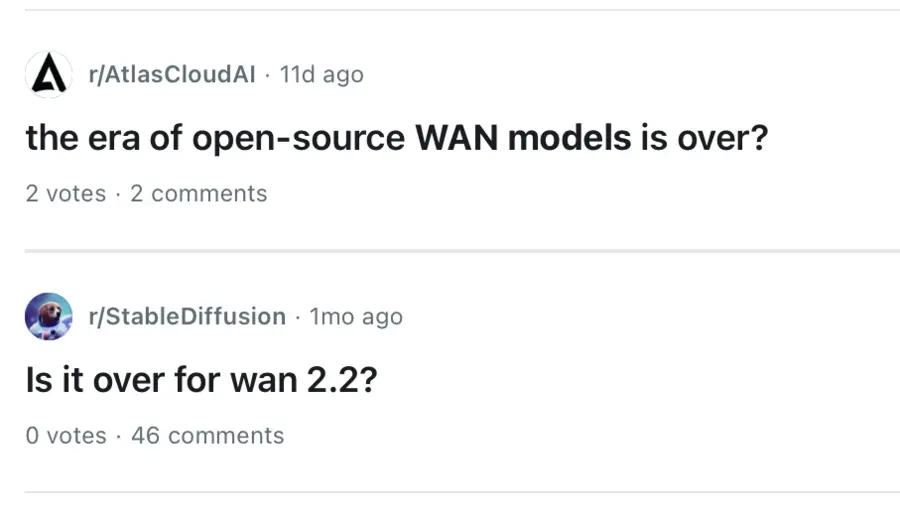
It's hard to know what the future holds. The large companies with the resources to build these video models may not have the financial incentive to keep doing so, and many audiences remain very hostile to the idea of AI in their entertainment. But artists and tinkerers are exploring the tech, and they're going to make discoveries. That's the part that excites me.
Let's chat some more!
I have lots more to say and share about all of this, so if you want to hear more, let's talk. If you're doing your own experiments with these tools, I'd love to compare notes.